Find authentic
Japanese
restaurants.
Curated, not crowdsourced. The world's only global guide dedicated exclusively to authentic Japanese cuisine. Currently featuring 1878 restaurants across 51 cities.
- Required01Japanese-owned日本人経営
- or
- Required02Japanese head chef日本人料理長
- +
- Supporting+Traditional approach伝統的な技法
Where to begin.
Each city is curated independently. We start with one fully-built reference and expand deliberately — no city is added until it's properly researched.
A taste of the guide.
A rotating selection of restaurants from across the cities we cover. Refresh the page for a different cut of the guide.
Tei Tei Robata Bar
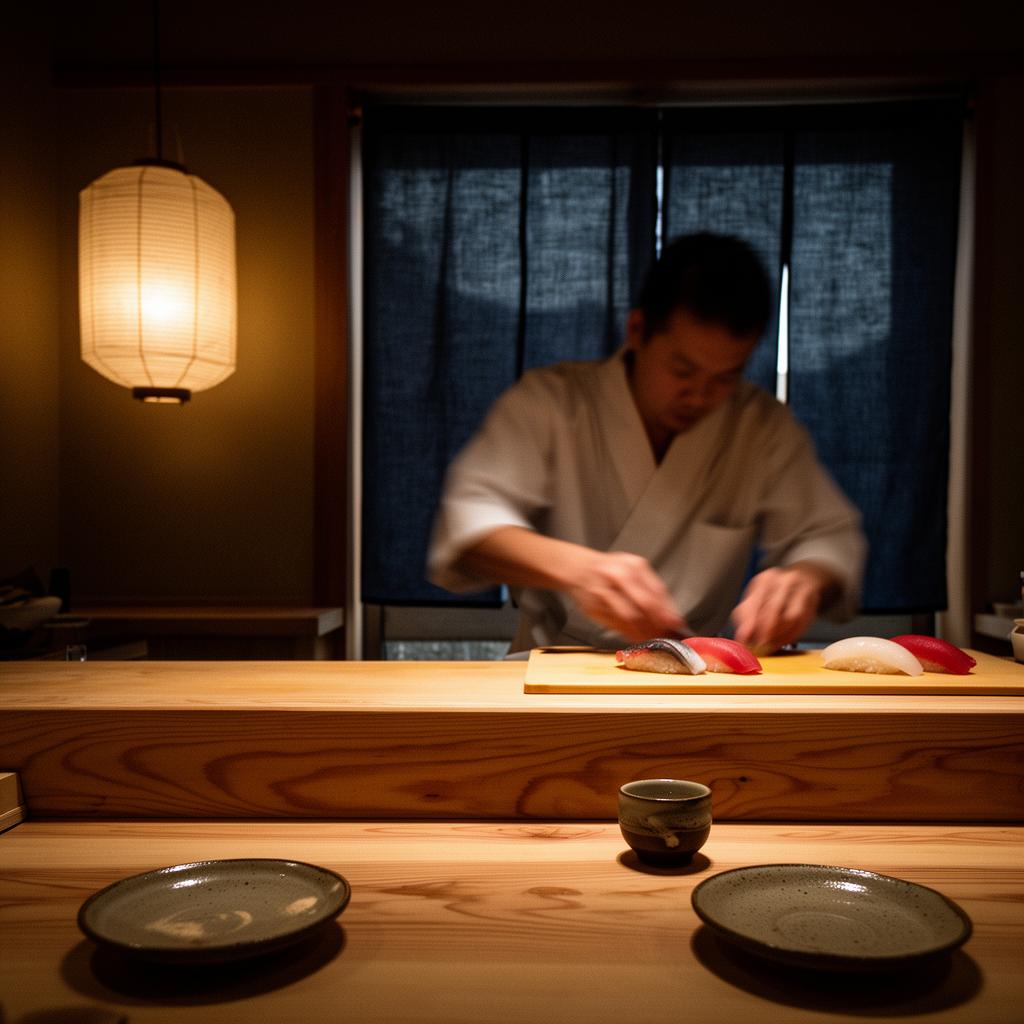
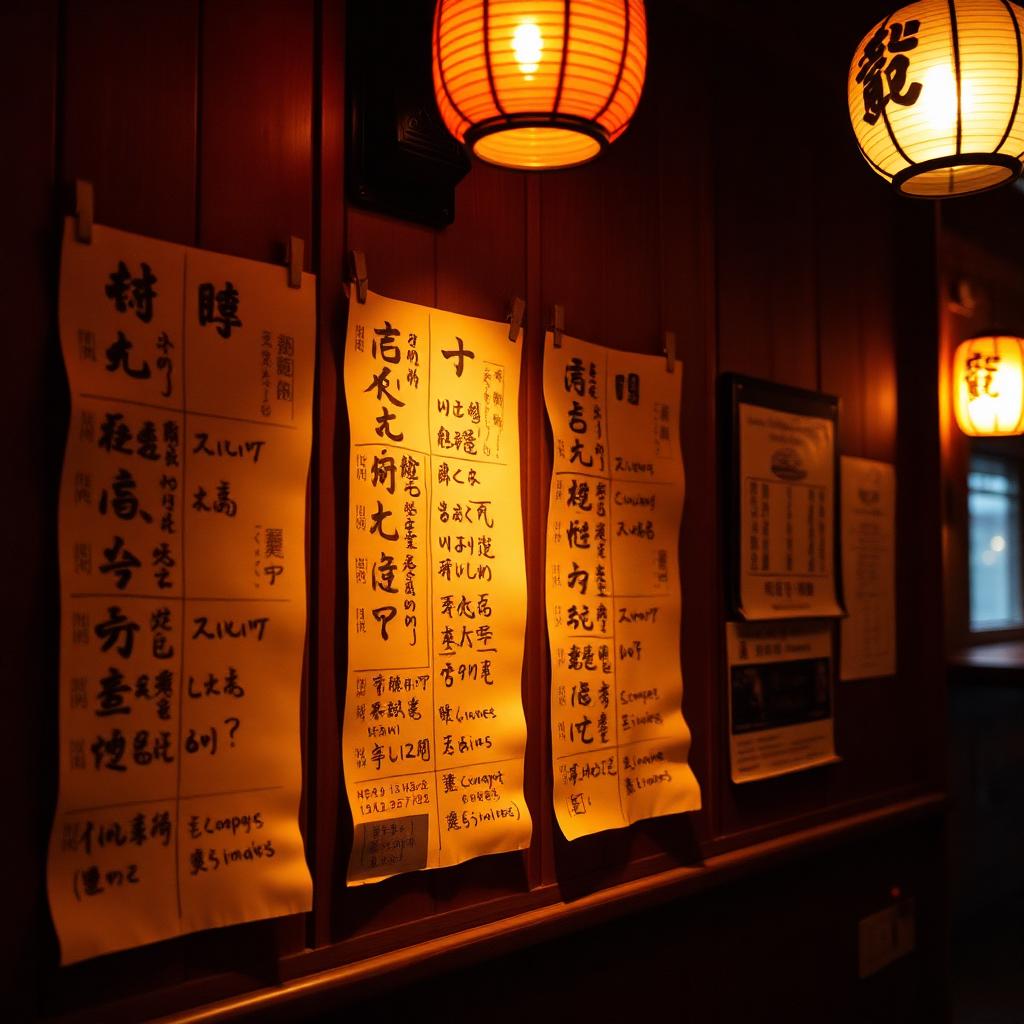
Tei Tei Robata Bar is a Henderson Avenue institution founded in 1998, with Japanese chef-owner Katsutoshi Sakamoto delivering premier charcoal-grilled robata and seasonal Japanese cuisine for over 25 years.
Dosanko Larmen
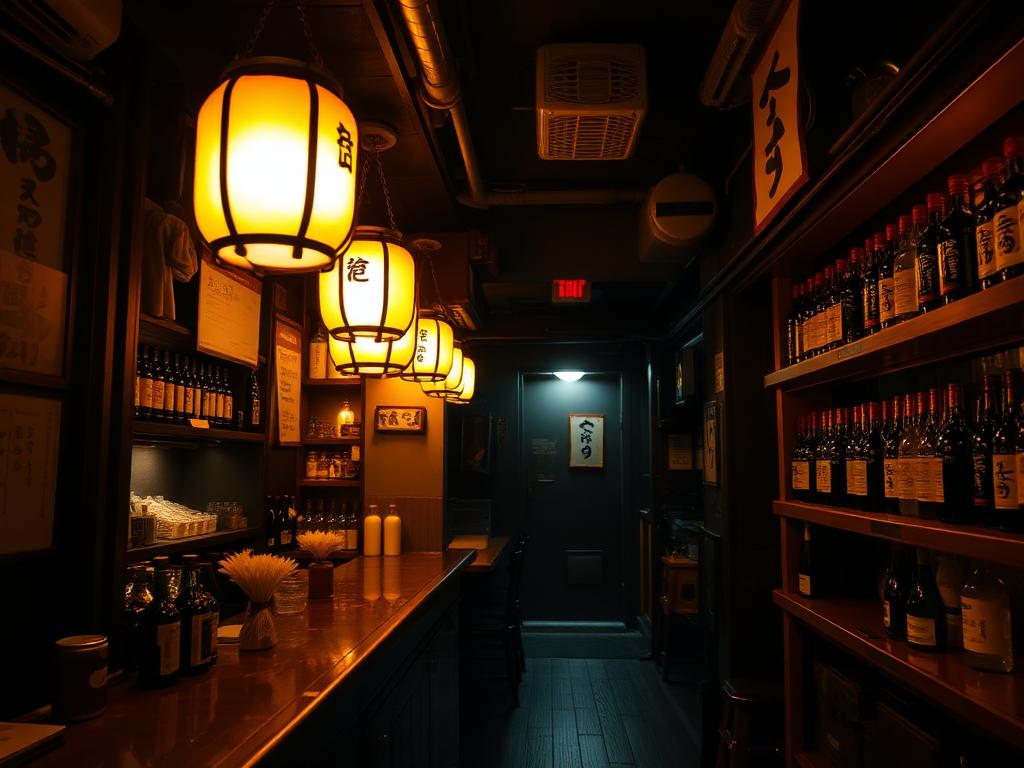
Paris outpost of Dosanko Corp, the pioneer of Sapporo-style miso ramen since 1961, serving generous, richly flavoured miso and shio ramen on Paris's Japanese quarter street.
Kinme Omakase
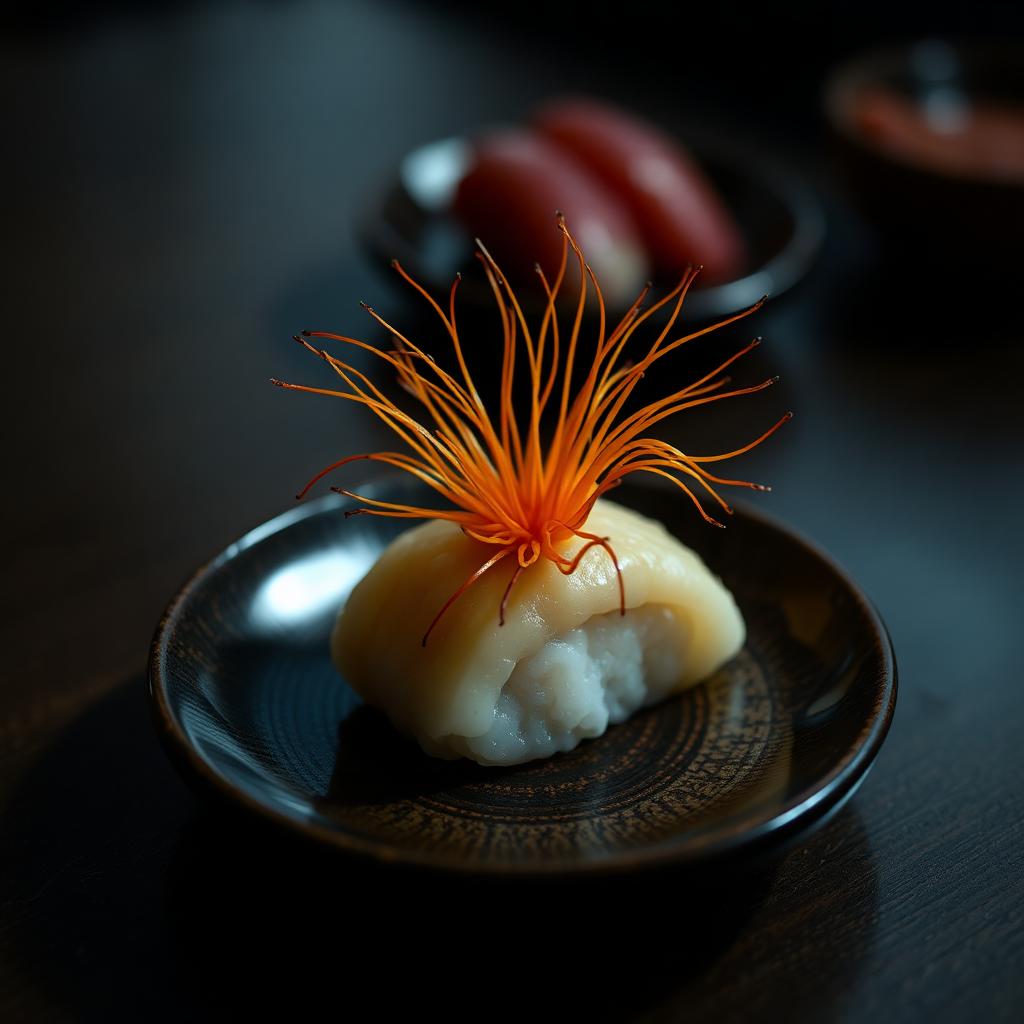
Kinme Omakase is an ultra-intimate 10-seat kaiseki-Edomae omakase experience in Bankers Hill, led by Japanese chef Nao Ichimura with fish flown in from Tokyo's Toyosu Market.
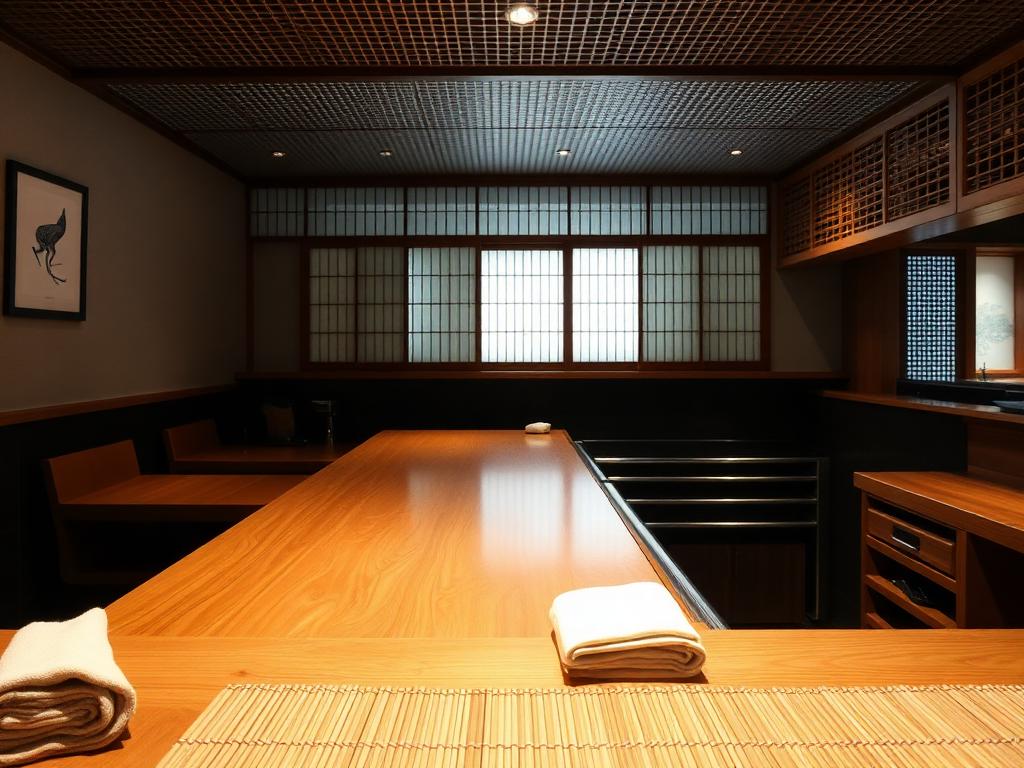
Komatsuya
Komatsuya is a refined Mission Hills omakase restaurant where Japanese chef Ryo Nakabayashi leads guests through a seasonal kaiseki-inspired multi-course dinner of exceptional artistry.
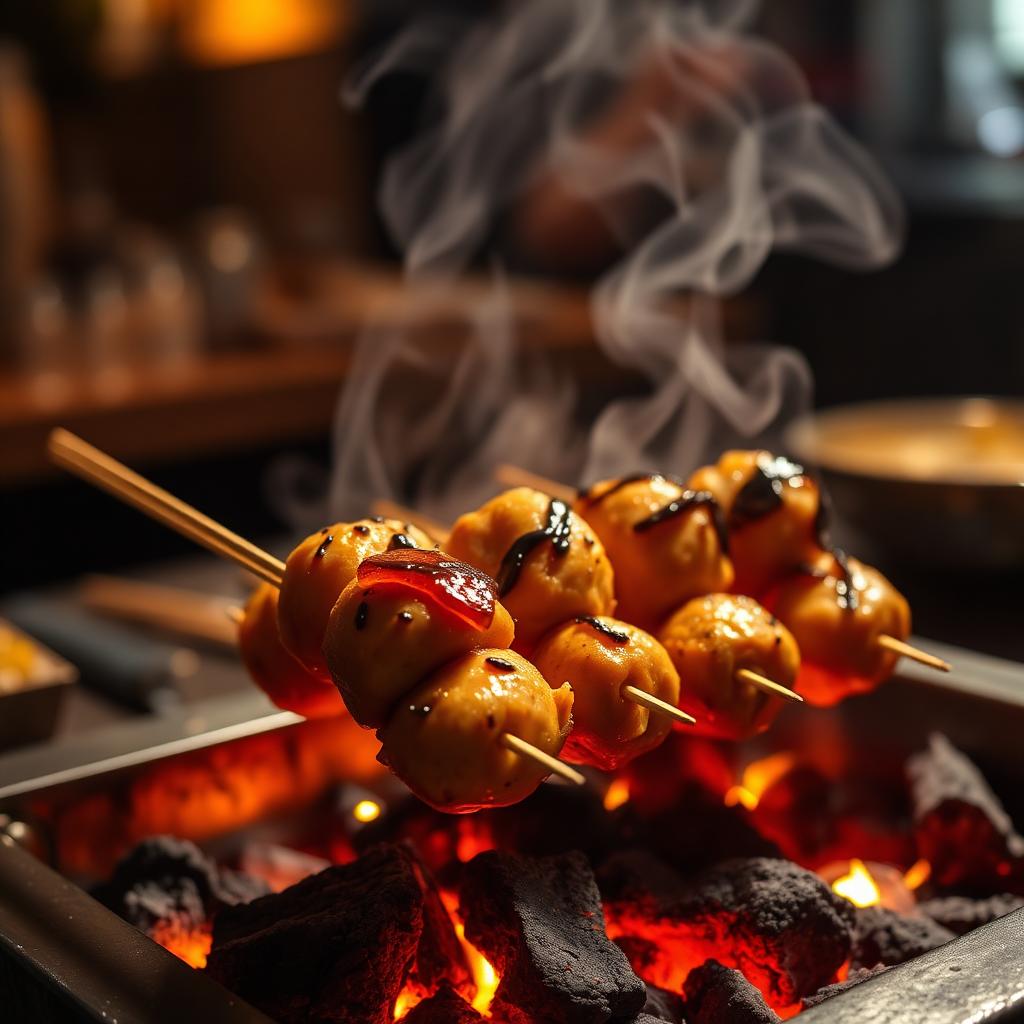
Totto Yama
Totto Yama is a Japanese fast-casual counter inside Plano's Mitsuwa Marketplace food hall, operated by Japanese chef-owner Shigekazu Tateno and serving omu-curry, karaage, and Japanese comfort classics.
Ogawa Sushi & Kappo
Ogawa Sushi & Kappo is an Old City omakase experience led by master chef Minoru Ogawa, a second-generation Tokyo sushi chef whose family has operated a sushi restaurant in Tokyo's Nippori district for over 50 years. The 23-course menu sources fish monthly from Tokyo's Toyosu market.
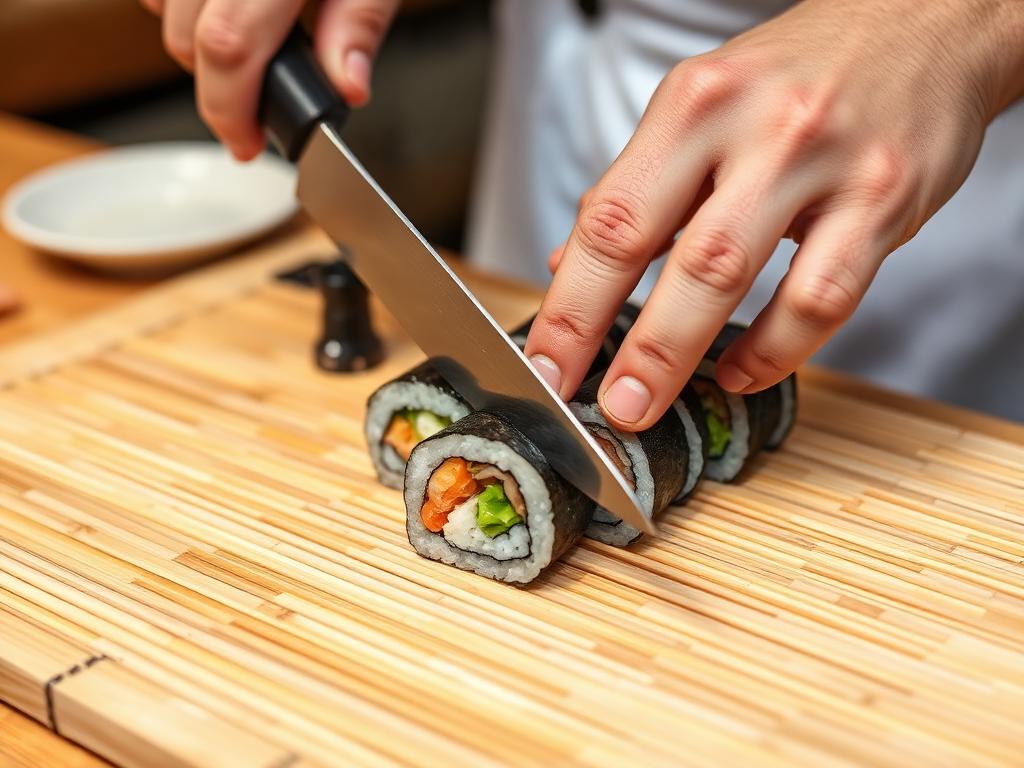
HIROKI
HIROKI is a Michelin-recognized Fishtown omakase experience led by Kyoto-born chef Hiroki Fujiyama, who spent nearly 15 years as head sushi chef at Morimoto before striking out on his own in 2019. Two seatings per evening, Thursday through Monday.
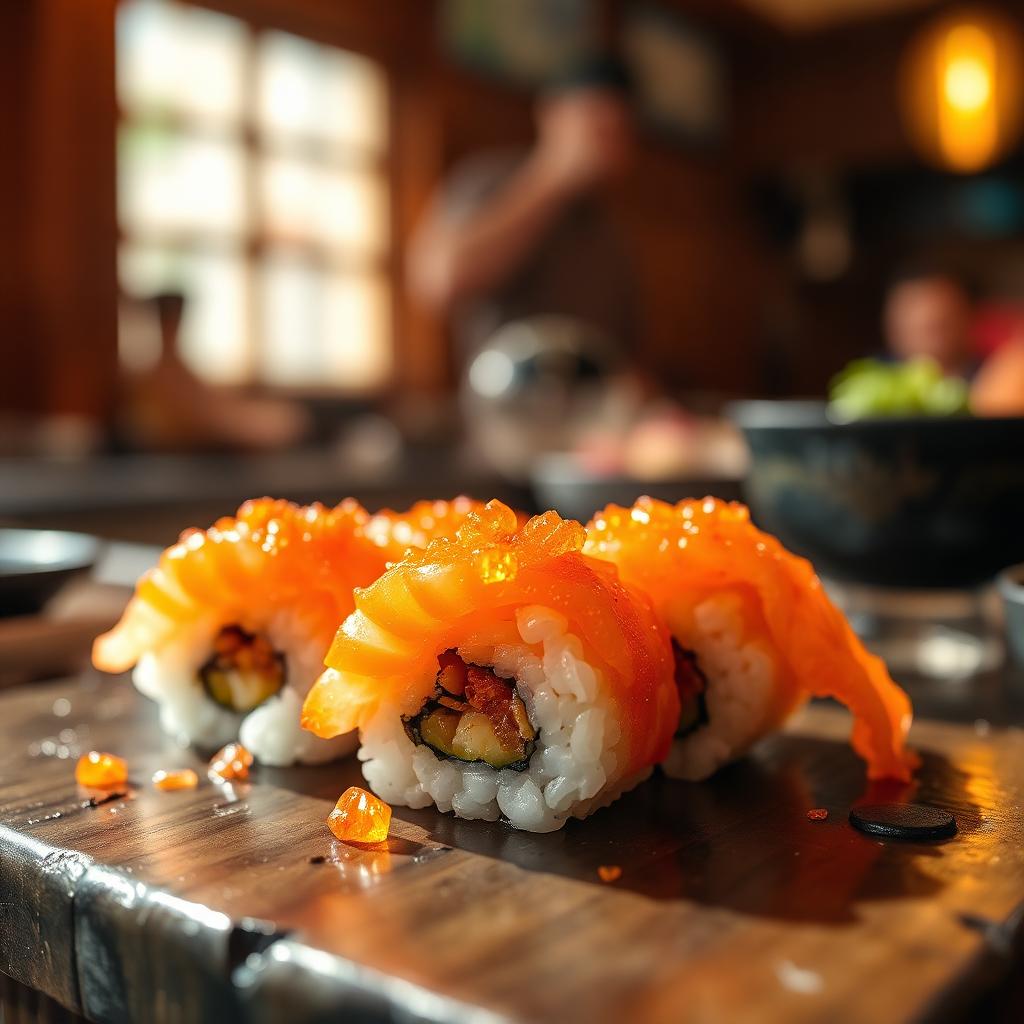
Koma Sushi
Koma Sushi offers San Antonio one of Texas's most authentic omakase experiences, led by executive chef Shintaro Hozumi, a third-generation sushi chef hailing from a sushi legacy family in Tokyo. The counter showcases traditional Japanese technique applied to the highest quality seasonal ingredients.
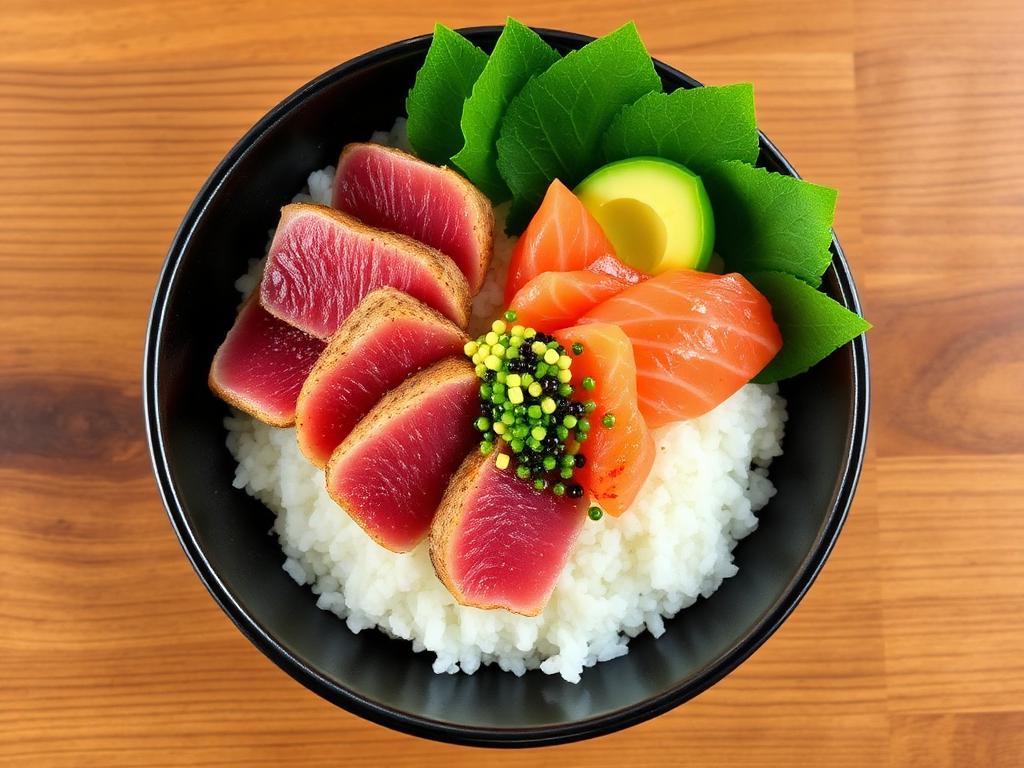
Nobu Scottsdale
Nobu Scottsdale brings the global Nobu Restaurant Group's Japanese-Peruvian culinary vision to Scottsdale Fashion Square, with Tokyo-born executive sushi chef Takashi Ohno at the helm. The signature Black Cod with Miso and yellowtail jalapeño remain essential orders.
Nobu San Diego
Nobu San Diego occupies a prime perch inside the Hard Rock Hotel at the Gaslamp Quarter, helmed by the brand founded by Tokyo-trained Chef Nobuyuki 'Nobu' Matsuhisa. Signature dishes like Black Cod Miso and Yellowtail Jalapeño have defined modern Japanese cuisine worldwide.
ShinBay Omakase Room
ShinBay is Arizona's exclusive omakase counter in Old Town Scottsdale, offering an intimate 15-course sushi journey with just 12 guests per seating. Current executive chef Tanaka Ken brings Tokyo kaiseki and Edomae sushi training to every meticulously sourced course.
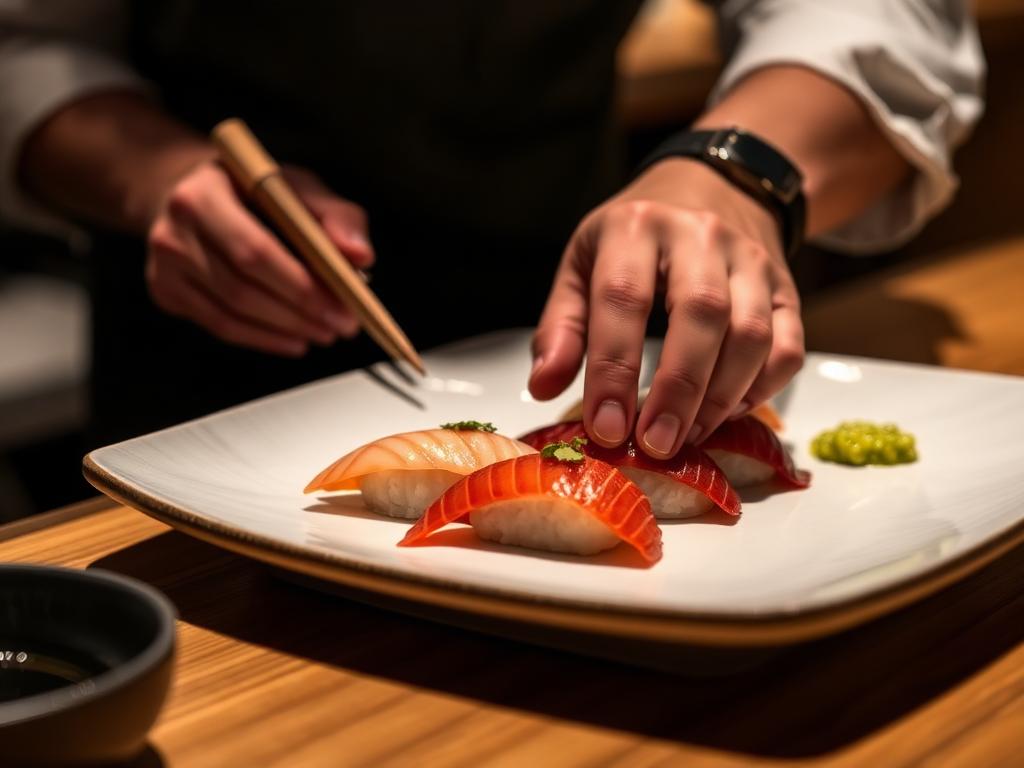
Hane Sushi
Hane Sushi is the evolution of San Diego's historic Sushi Ota, the restaurant that shaped the city's sushi culture for decades. Chef-owner Roger Nakamura trained under Edomae master Yukito Ota and preserves the rigorous Tokyo-style tradition in the same Bankers Hill space.
New to the guide.
The most recent restaurants Washoku Guide has researched and added. We expand deliberately — only after each entry has been properly vetted.
- Ippudo World SquareSydney · CBD / HaymarketJapanese→
- Surry Hills GOGYOSydney · Surry HillsJapanese→
- Rokko Fine Japanese CuisineSan Francisco · SunnyvaleJapanese→
- Kukai Ramen (Bellevue/Seattle)Seattle · Downtown BellevueJapanese Kukai-style ramen→
- FugetsuSan Francisco · SunnyvaleJapanese→
- Hokkaido Ramen Santouka (Bellevue)Seattle · Downtown BellevueHokkaido shio ramen→
- NakaiRome · Prati (Vatican quarter)Japanese-Italian dialogue sushi→
- Hakata Choten — Petits ChampsParis · 1st arr. (Opéra / Pyramides)Japanese→
Or by what you're after.
Japanese cuisine is not one thing. Sushi, ramen, izakaya, and kaiseki each follow different traditions — and the standards we apply are specific to each.
From edomae traditions to chef-led omakase counters: precise rice, aged fish, and quiet rooms where the meal moves at the chef's pace.
Bowls built on hours-long stocks and house-made noodles — tonkotsu, shoyu, shio, miso. Counted by clarity of broth, not by queues.
Japanese taverns: small plates, charcoal grills, sake and shochu. The room matters as much as the food.
Iron-griddle cooking in the Japanese sense — restraint, single-cut wagyu, seasonal vegetables. No flying shrimp.
Charcoal-grilled chicken broken down part by part, salted or tare-glazed, served one skewer at a time.
Multi-course seasonal menus rooted in tea-ceremony tradition — composition, vessel, and timing are all part of the dish.
Rice bowls, teishoku sets, katsu and curry houses. Everyday Japanese cooking done with care.
“Excellent Japanese food can be created by chefs of any background. Washoku Guide does not judge overall quality — only authenticity, for diners who actively seek it.”
Read the full methodology →