← All cities
Greece

Athens.

Athens's Japanese dining scene is small but precise — a tight set of chef-led sushi counters and izakaya rooms rooted in tradition, with Aegean seafood access shaping the sushi programs. Selected for authenticity, not spectacle.

At a glance
Curated
3
Types
1
Filter by authenticity
Filter by type
Filter by price
01
Matsuhisa Athens — authentic nobu-style japanese fusion restaurant in Athens, Vouliagmeni (Athens Riviera)

Matsuhisa Athens

¥¥¥¥
Vouliagmeni (Athens Riviera) · Sushi · a la carte
Nobu-style Japanese fusionsushikaisekiteppanyakinikkei fusion

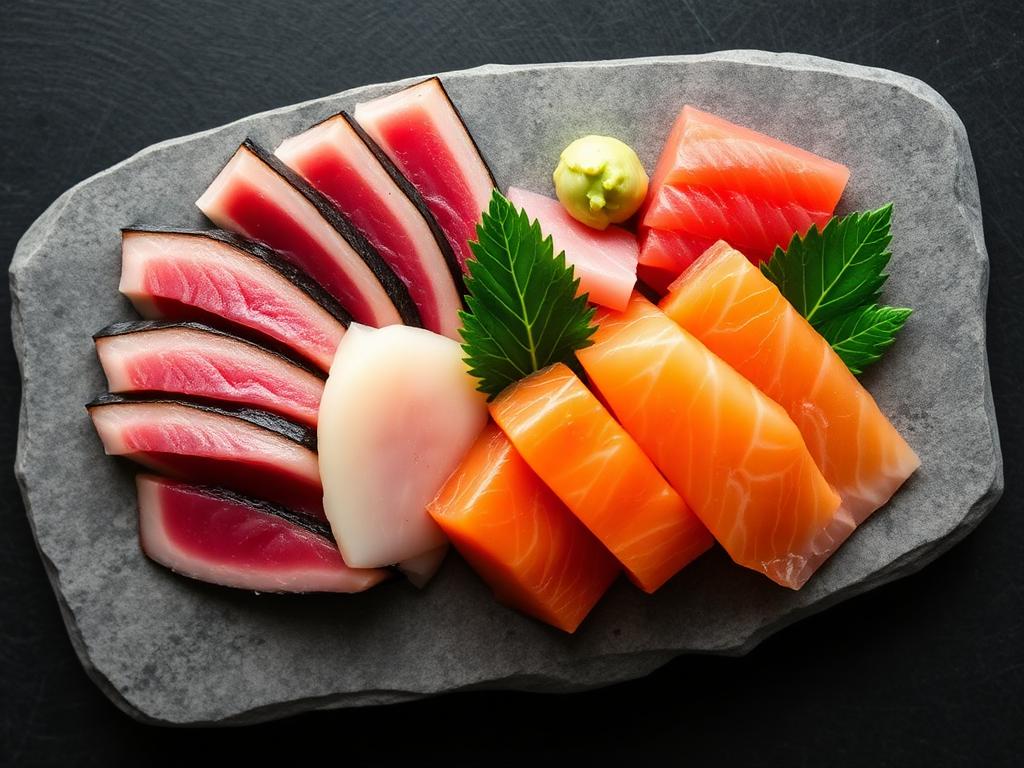
The Athens outpost of Nobu Matsuhisa's global empire, set within the Four Seasons Astir Palace Hotel with sweeping views of the Saronic Gulf. Signature Nikkei-Japanese fusion dishes — black cod miso, yellowtail jalapeño, toro sashimi — are crafted under the culinary authority of Japan's most celebrated chef.

View restaurant →
02
Sushimou — authentic edomae omakase sushi restaurant in Athens, Syntagma / Plaka

Sushimou

¥¥¥¥
Syntagma / Plaka · Sushi · omakase
Edomae omakase sushiomakase counteredomaeTokyo-trained

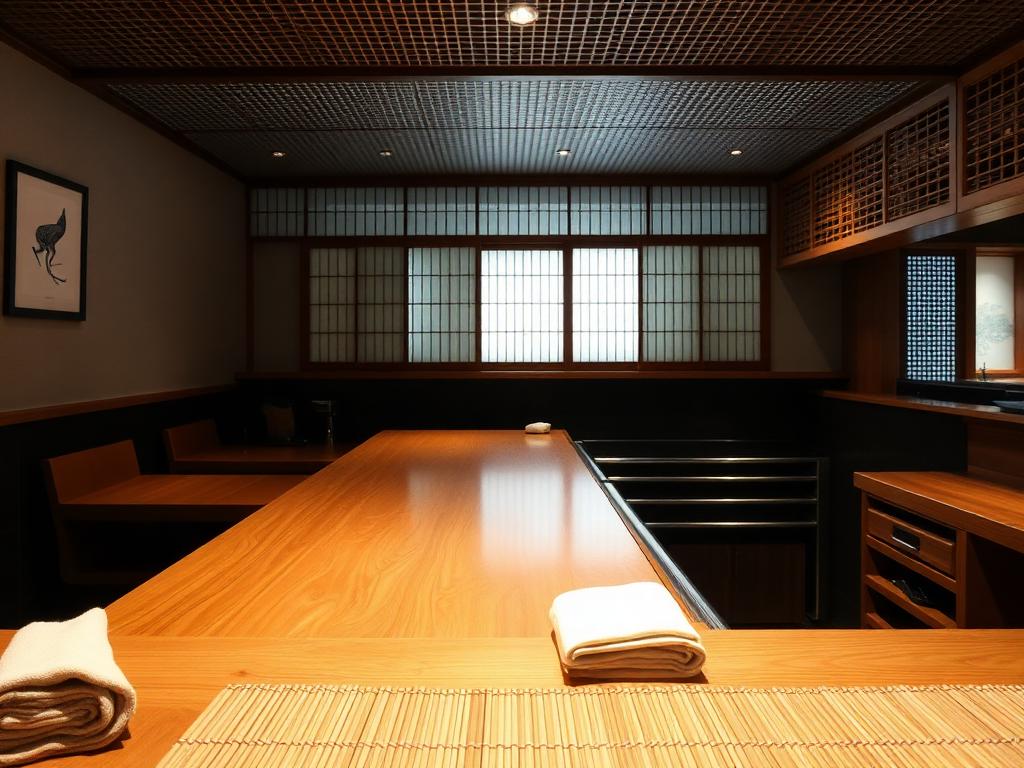
A 12-seat counter in central Athens offering strict edomae-style omakase by chef Antonis Drakoularakos, who mastered Japanese language before training at Tokyo Sushi Academy. Listed on World's 50 Best Discovery and widely regarded as Greece's most authentic Japanese dining experience.

View restaurant →
03
Shiraki — authentic authentic japanese sushi & washoku restaurant in Athens, Syntagma / Plaka

Shiraki

¥¥
Syntagma / Plaka · Sushi · a la carte
Authentic Japanese sushi & washokusashimidonburiizakayamaki

Run by Japanese chef Shinya Shiraki, this central Athens restaurant is the direct spiritual successor to Furin Kazan, the city's historically first Japanese-staffed dining address. Unpretentious and rigorous, Shiraki serves honest nigiri, sashimi, udon, donburi and a curated sake list.

View restaurant →
FAQ

Questions, answered.

What makes a Japanese restaurant in Athens authentic?
In Athens, we look for the same signals we apply globally: a chef grounded in Japanese technique, ingredients and preparation consistent with Japanese practice, and a focused format (sushi-ya, ramen-ya, izakaya, kaiseki, etc.) rather than a generalist Asian menu. Local sourcing is fine — what matters is how the kitchen treats the tradition.
How do you define authenticity?
Washoku Guide defines authenticity by the kitchen's grounding in Japanese culinary tradition: trained chefs (often in Japan), techniques and ingredients consistent with Japanese practice, a focused menu rather than a pan-Asian one, and a coherent dining format (sushi-ya, ramen-ya, izakaya, kaiseki, etc.). We weigh these signals together — no single factor decides.
Do you require Japanese ownership?
No. Japanese ownership is one positive signal, but it is not required. We also recognise restaurants with Japanese-led kitchens or non-Japanese chefs who have trained extensively in Japan and apply traditional techniques with discipline. What matters is the cooking, not the passport.
How are restaurants selected?
Each entry is researched and chosen by Washoku Guide editors — not voted in, not paid for, and not algorithmically ranked. We read kitchen biographies, study menus, talk to people in the industry, and visit when possible. Restaurants pay nothing to be listed.
Are the listings ranked?
No. Washoku Guide is a curated guide, not a ranking. Order on a city page is editorial and may change as the guide evolves; it does not imply that #1 is better than #5. Every listed restaurant has met our authenticity bar.
How often is the Athens guide updated?
We revisit each city periodically and update entries when restaurants open, close, change hands, or change kitchens. If you spot something out of date, please let us know.