← All cities
Poland

Warsaw.

Warsaw's Japanese dining scene is compact but growing — chef-led sushi counters, izakaya rooms, and ramen specialists rooted in tradition. Selected for authenticity, not trend.

At a glance
Curated
7
Types
5
Filter by authenticity
Filter by type
Filter by price
02
Sushi Bar Don — authentic edomae sushi restaurant in Warsaw, Mokotów – Bazar Lotników

Sushi Bar Don

¥
Mokotów – Bazar Lotników · Sushi · counter
Edomae sushiNigiriHosomakiSashimiOkonomiyaki

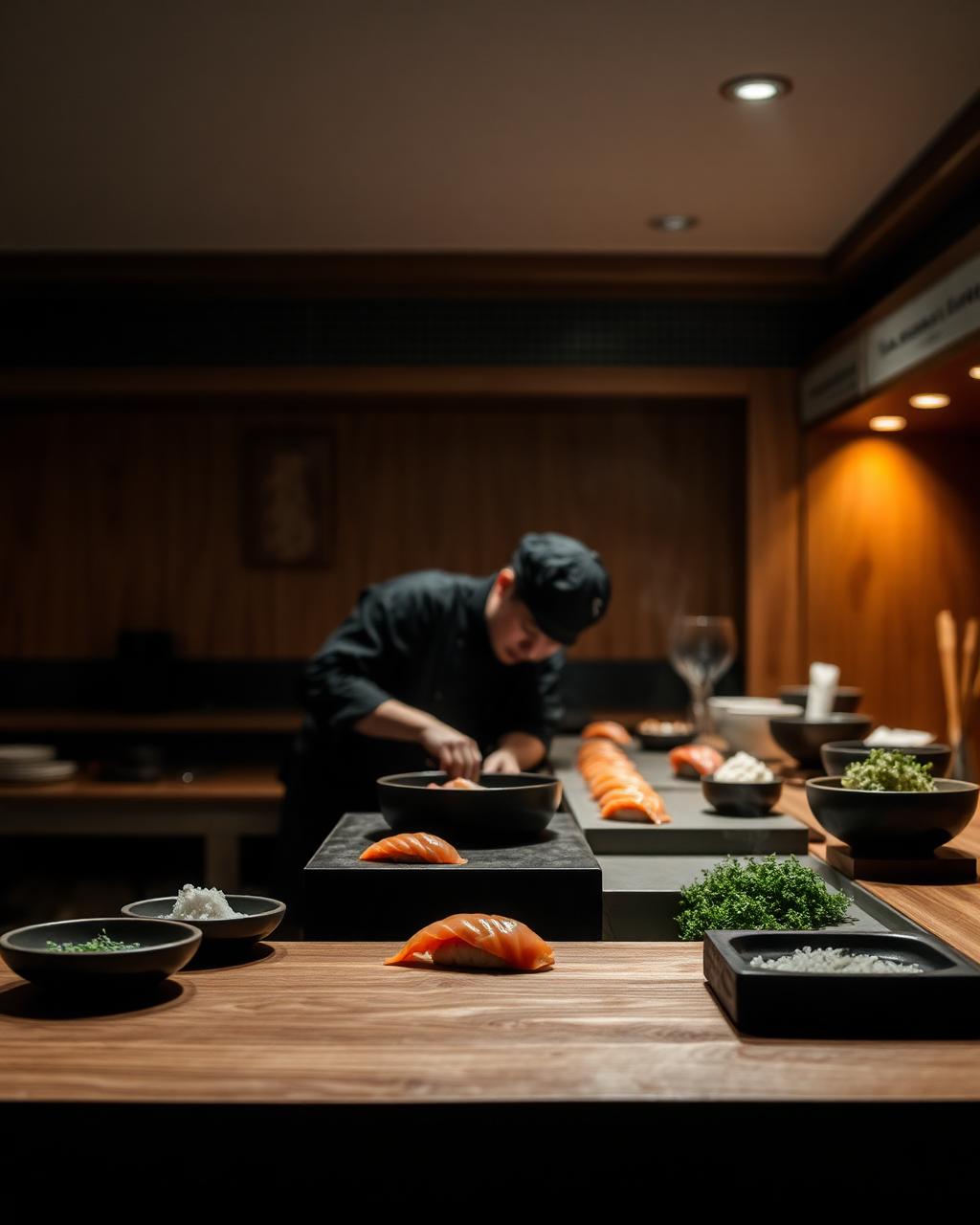
Sushi Bar Don is Warsaw's most genuine neighbourhood sushi counter, run by Nagasaki-born sushi master Yuichiro Yoshida from a market-hall pavilion at Bazar Lotników. Traditional Edomae-style nigiri, hosomaki, sashimi, and okonomiyaki are prepared to order in a low-key but craft-driven setting.

View restaurant →
03
Haci Japanese Bistro — authentic kansai-style okonomiyaki restaurant in Warsaw, Śródmieście – Polna

Haci Japanese Bistro

¥¥
Śródmieście – Polna · Teppanyaki · casual
Kansai-style okonomiyakiOkonomiyakiYakisobaTakoyakiJapanese family-run

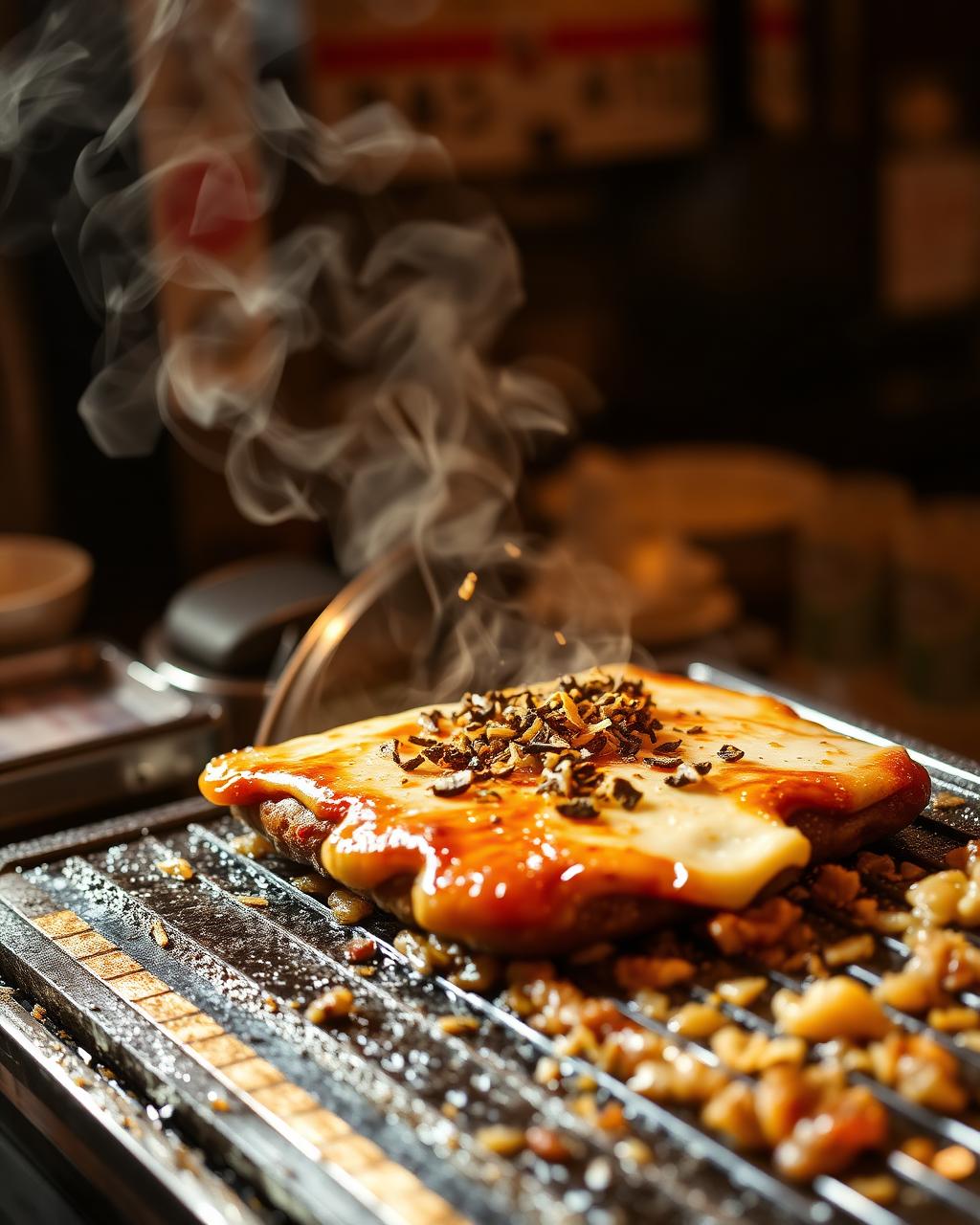
Haci is Warsaw's most closely guarded Japanese secret: a family-run Kansai-style bistro confirmed as operated by a Japanese family and beloved by Warsaw's Japanese expat community. Specialities include six varieties of okonomiyaki, takoyaki octopus balls, and yakisoba in the comfort of an intimate space on Polna Street.

View restaurant →
04
Shogun Yakiniku Restaurant — authentic japanese yakiniku bbq restaurant in Warsaw, Ursynów – Migdałowa

Shogun Yakiniku Restaurant

¥¥
Ursynów – Migdałowa · Izakaya · a la carte
Japanese yakiniku BBQTable-grill BBQSeafoodJapanese diaspora restaurantEst. 1994

Shogun is Warsaw's oldest Japanese restaurant, founded in 1994 and specialising in yakiniku – the Japanese tradition of grilling meat and seafood over a table-embedded charcoal grill. Reddit and local sources confirm it is 'one of the few places where the Japanese diaspora eats,' making it one of Warsaw's most authentically regarded Japanese institutions.

View restaurant →
05
Sakamotoya — authentic japanese street food & deli restaurant in Warsaw, Śródmieście – Zgoda

Sakamotoya

¥
Śródmieście – Zgoda · Izakaya · casual
Japanese street food & deliOnigiriBentoMiso dishesJapanese sake

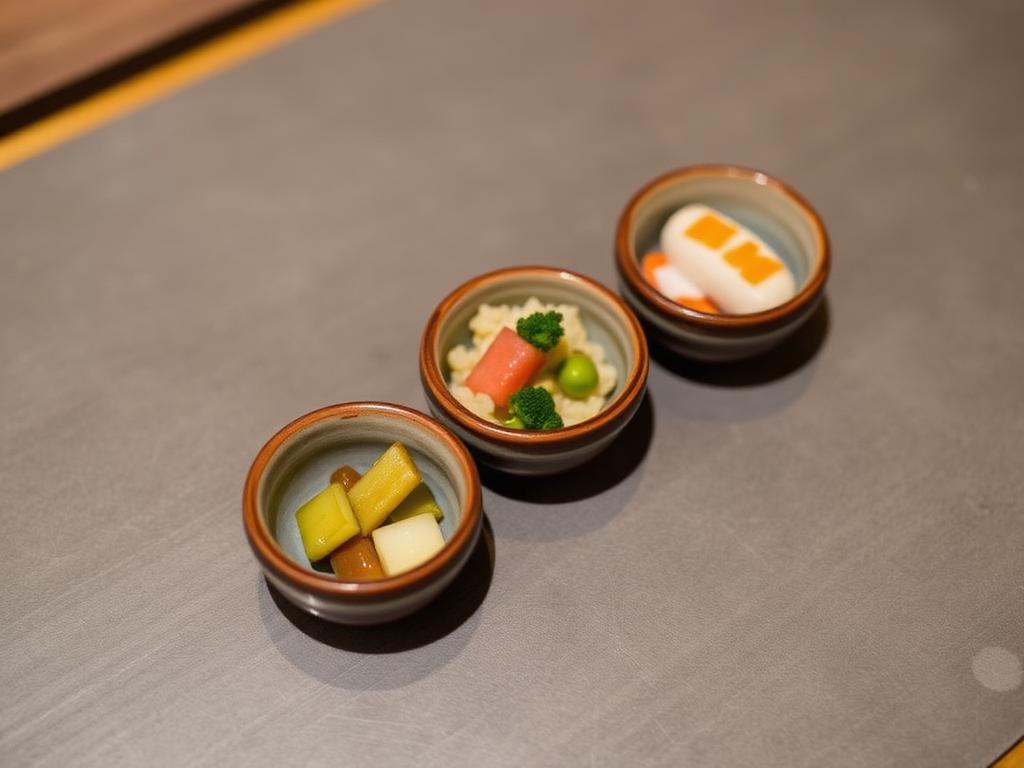
Sakamotoya is Warsaw's most authentically Japanese food destination: a shop, deli, and street-food counter owned by Norihiko Sakamoto, a Japanese sake specialist and former sommelier in Tokyo and Singapore. Onigiri, bento boxes, miso soup, and premium Japanese pantry products share space with one of Europe's finest sake selections.

View restaurant →
06
Uki Uki — authentic sanuki udon & tokyo ramen restaurant in Warsaw, Śródmieście Południowe – Krucza

Uki Uki

¥¥
Śródmieście Południowe – Krucza · Ramen · casual
Sanuki udon & Tokyo ramenHandmade udonRamenTempuraGyoza

Uki Uki is Warsaw's definitive Japanese-owned noodle restaurant, founded by Tokyo-born Taira Matsuki. Head of kitchen Kohei Yagi holds a PhD in food science from Kyushu Tokai University and applies the Sanuki udon method from Kagawa Prefecture. The restaurant draws lines of regulars and is beloved by Warsaw's Japanese community.

View restaurant →
FAQ

Questions, answered.

What makes a Japanese restaurant in Warsaw authentic?
In Warsaw, we look for the same signals we apply globally: a chef grounded in Japanese technique, ingredients and preparation consistent with Japanese practice, and a focused format (sushi-ya, ramen-ya, izakaya, kaiseki, etc.) rather than a generalist Asian menu. Local sourcing is fine — what matters is how the kitchen treats the tradition.
How do you define authenticity?
Washoku Guide defines authenticity by the kitchen's grounding in Japanese culinary tradition: trained chefs (often in Japan), techniques and ingredients consistent with Japanese practice, a focused menu rather than a pan-Asian one, and a coherent dining format (sushi-ya, ramen-ya, izakaya, kaiseki, etc.). We weigh these signals together — no single factor decides.
Do you require Japanese ownership?
No. Japanese ownership is one positive signal, but it is not required. We also recognise restaurants with Japanese-led kitchens or non-Japanese chefs who have trained extensively in Japan and apply traditional techniques with discipline. What matters is the cooking, not the passport.
How are restaurants selected?
Each entry is researched and chosen by Washoku Guide editors — not voted in, not paid for, and not algorithmically ranked. We read kitchen biographies, study menus, talk to people in the industry, and visit when possible. Restaurants pay nothing to be listed.
Are the listings ranked?
No. Washoku Guide is a curated guide, not a ranking. Order on a city page is editorial and may change as the guide evolves; it does not imply that #1 is better than #5. Every listed restaurant has met our authenticity bar.
How often is the Warsaw guide updated?
We revisit each city periodically and update entries when restaurants open, close, change hands, or change kitchens. If you spot something out of date, please let us know.