Cuisine & Culture
Washoku: What UNESCO's Recognition of Japanese Cuisine Actually Means
April 25, 2026 · 8 min read
Washoku: What UNESCO's Recognition of Japanese Cuisine Actually Means
In December 2013, UNESCO added washoku to its Representative List of the Intangible Cultural Heritage of Humanity. It was a notable moment — not because no food culture had been recognized before (French gastronomy made the list in 2010, the Mediterranean diet in 2013), but because of what, exactly, UNESCO was recognizing.
Not a dish. Not a technique. Not a chef. A way of eating.
That distinction is worth sitting with, because it gets at something that travelers, food writers, and even regular restaurant-goers often miss when they talk about "authentic Japanese food." The word washoku doesn't mean Japanese cuisine the way "French cuisine" means French cuisine. It describes a relationship between food, season, place, and people that is, by nature, hard to reduce to a menu or a rating.
This piece explains what washoku actually is, what UNESCO's recognition does and doesn't mean, and why it matters if you're trying to find genuinely traditional Japanese food outside Japan.
What the Word Actually Means
Washoku (和食) is made up of two kanji: wa (和), which means Japan or harmony, and shoku (食), which means food or eating. The literal translation is something like "Japanese eating" — but harmony is the operative concept, and it runs through every layer of what the term describes.
In practice, washoku refers to a culinary tradition built around a set of principles rather than a fixed canon of dishes. At its core is the idea that food should reflect the natural world — the season, the region, the specific ingredients available at a given moment — and that a meal should be composed rather than merely assembled. You are not just eating food. You are eating a particular place, at a particular time of year, prepared by someone who understands the relationship between the two.
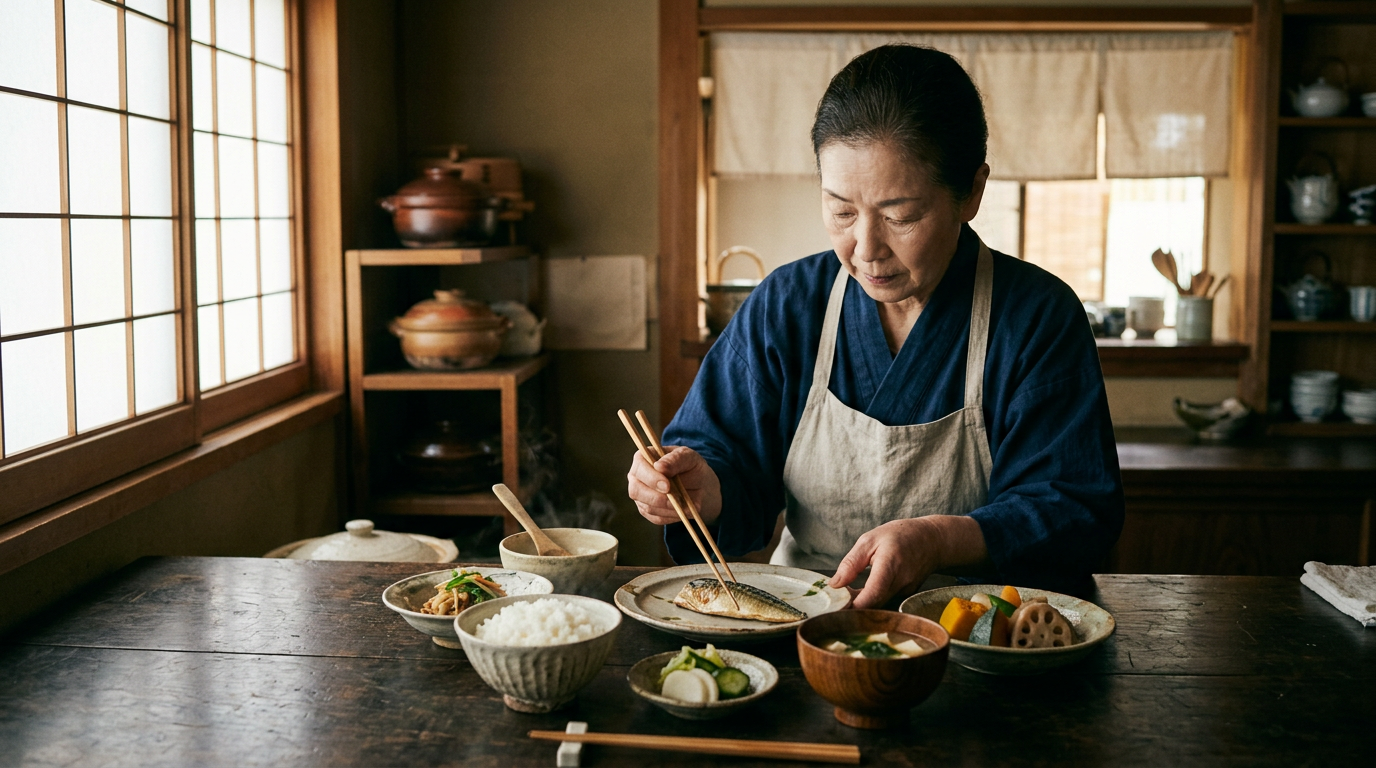
The classic washoku meal structure is ichiju sansai — one soup and three sides, served with rice. But that's a frame, not a formula. Kaiseki, Japan's most elaborate multi-course cuisine, is washoku. So is a carefully made bowl of miso soup and pickles eaten at a kitchen counter in Kyoto. What connects them is the underlying logic: seasonal ingredients, restrained preparation, balance across flavors and textures, and attention to how food is presented and served.
What UNESCO Actually Recognized
The 2013 nomination submitted by Japan to UNESCO was precise about what it was protecting. The application described washoku as "a social practice based on a set of skills, knowledge, practice and traditions related to the production, processing, preparation and consumption of food." It emphasized four core characteristics:
Diversity and freshness of ingredients. Japanese cuisine draws on an exceptional range of regional produce, seafood, and mountain vegetables — and washoku tradition prizes using what is local and in season above almost all else.
A nutritional balance that supports health. The traditional washoku diet — rice-centered, fish-forward, rich in vegetables and fermented foods — is considered one of the factors behind Japan's historically low rates of obesity and diet-related disease.
Expression of natural beauty. How a dish looks matters in washoku — not as decoration, but as communication. The choice of vessel, the arrangement of food, the color contrast between ingredients: these are considered part of the meal itself.
Connection to annual events and celebrations. Food in the washoku tradition is inseparable from the Japanese calendar — osechi at New Year, sakura dishes in spring, ochazuke after a summer festival. Food marks time and strengthens social bonds.
What UNESCO was protecting was not a recipe or a restaurant type. It was this entire system of knowledge — the way farmers, fishermen, cooks, and diners together sustain a living food culture rooted in place and season.
What UNESCO Recognition Is Not
It's worth being clear about what the recognition does not mean, because the word "heritage" can mislead.
UNESCO's Intangible Cultural Heritage list is not a quality mark. It doesn't mean Japanese food is better than other food, or that any particular restaurant is doing washoku correctly. The list exists to draw attention to cultural practices at risk of being lost — to encourage their documentation, transmission, and survival. In Japan's case, the concern is real: urbanization, changing eating habits, and the global spread of Japanese food that has little to do with traditional practice have all put pressure on the skills and knowledge that washoku represents.
Nor does recognition mean that washoku is frozen in time. The application itself was careful to describe washoku as a living tradition — one that evolves while maintaining its underlying principles. A kaiseki menu in Kyoto today uses ingredients and techniques that would have been unrecognizable to a cook two centuries ago. That's not a corruption of the tradition; it's how any living food culture works.
What the recognition does mean is that the Japanese government, in partnership with communities of farmers, fishermen, and cooks, made a formal commitment to treat this body of knowledge as something worth preserving. That is not nothing.
Why It Matters Outside Japan
Here is where things get practically interesting — especially for anyone trying to find genuinely traditional Japanese food in London, Los Angeles, or Berlin.
The global spread of Japanese food over the past four decades has been, by almost any measure, a success. Sushi is eaten on every continent. Ramen shops have opened in cities that barely had any Japanese population ten years ago. Japanese whisky has become a global category. But that spread has also produced a large amount of food that shares Japanese names and visual cues while having little connection to the traditions washoku describes.
This is not a moral judgment. A California roll is a fine thing. Fusion is legitimate. But if what you are looking for — as a traveler, a curious eater, or someone who has actually eaten in Japan — is the experience of washoku as a living tradition, then the category matters enormously.
The restaurants that operate closest to washoku principles outside Japan tend to share certain characteristics. Seasonal menus that change more than once a year. Sourcing that prioritizes Japanese-grown or Japanese-style ingredients where possible. Cooks who trained within Japanese culinary traditions, whether in Japan or under Japanese mentors. An approach to the meal as a composed experience rather than a set of individual dishes.
None of these are guarantees. And washoku, being a living tradition, does not require Japanese ownership or Japanese ingredients to be expressed honestly. But they are useful signals — which is precisely why they form the basis of how Washoku Guide curates its listings.
Washoku and the Specific Formats It Produces
If you want to encounter washoku in its most explicit forms outside Japan, a few restaurant formats are worth knowing.
Kaiseki is the most direct expression of washoku principles in a restaurant setting. A kaiseki meal is seasonal by definition — the menu changes to reflect what is growing and swimming at that precise moment — and every element, from the lacquerware to the pacing of the meal, is considered. This is washoku in its most ceremonial form.
Omakase sushi operates on similar logic. At a serious edomae counter, the chef makes decisions about what to serve based on what arrived from the market that morning. The interaction between chef and diner — the gradual pace, the conversation, the way the meal unfolds — is part of the washoku tradition of food as social practice.
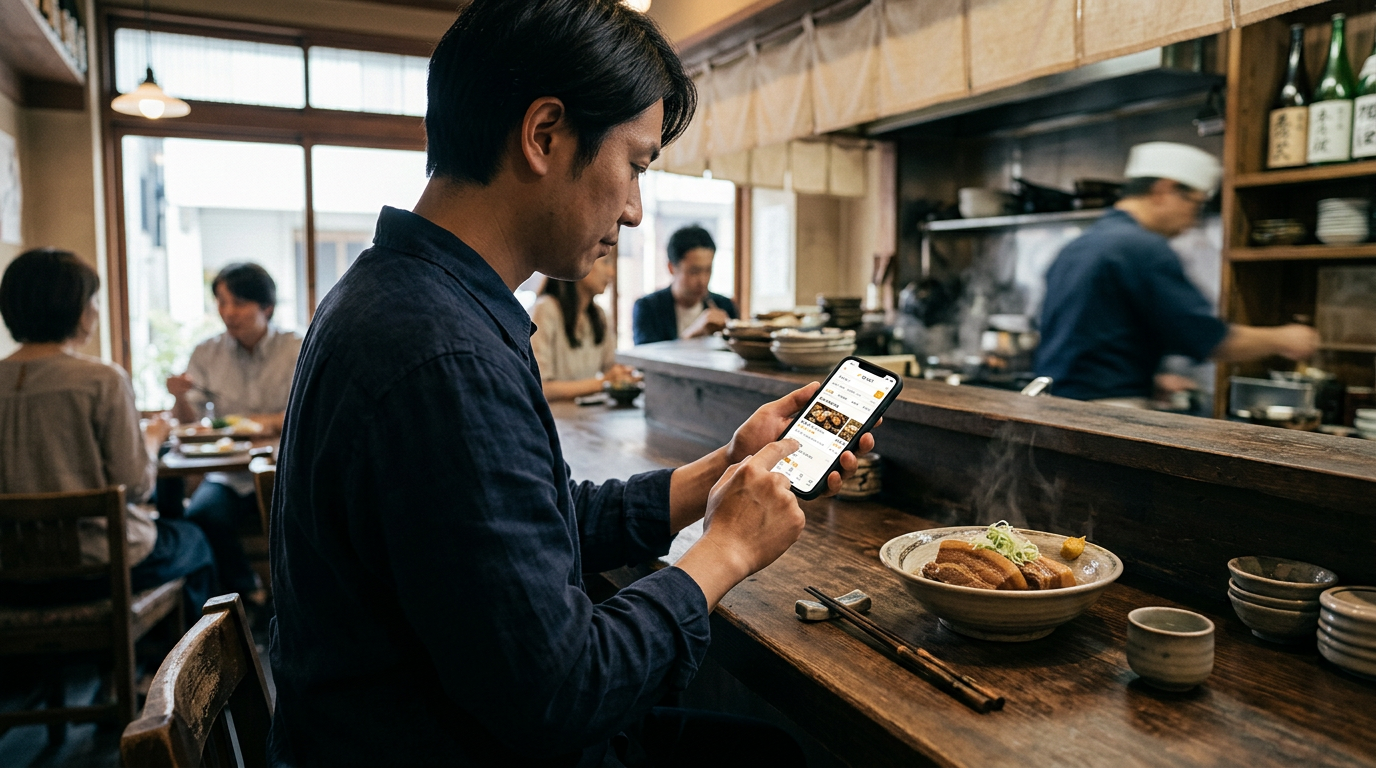
Izakaya, at their best, express the everyday washoku idea of food as social ritual. Small plates designed to accompany drink, seasonal specials on a handwritten board, the logic of the meal organized around sharing rather than individual portions.
Even a well-made bowl of ramen, when the broth is built over hours from real bones and the noodles are made in-house, carries something of the washoku commitment to craft and care — even if ramen itself is a relatively modern form.
A Note on the Word Itself
There is something quietly interesting about the fact that washoku has become the standard term for traditional Japanese cuisine — as opposed to, say, nihon ryōri (Japanese cooking), which is more neutral. The choice of wa — harmony — is deliberate. Washoku cuisine is not just about what you eat but about the quality of attention brought to every part of the process: growing, sourcing, preparing, presenting, sharing.
That word is also, as you might have noticed, the first word in the name of this guide. Not accidentally. The idea that authentic Japanese cuisine is something worth seeking out — that it represents a specific, coherent tradition, not just a set of flavors — is the premise on which Washoku Guide is built.
Whether you are eating kaiseki in Paris, ramen in Vancouver, or omakase in Dubai, the question the guide is trying to help you answer is the same one UNESCO was trying to articulate in 2013: is this food, in some meaningful sense, the real thing?
Frequently Asked Questions
What does washoku mean in English? Washoku (和食) translates literally as "Japanese food" or "Japanese eating," with the wa character (和) carrying the additional meaning of harmony. In practice, the term refers to a traditional Japanese culinary culture based on seasonal ingredients, balanced preparation, and food as a social and aesthetic practice — not just a set of dishes.
When was washoku added to UNESCO's heritage list? UNESCO added washoku to its Representative List of the Intangible Cultural Heritage of Humanity in December 2013.
Is washoku the same as Japanese food? Not exactly. Japanese food is a broad category that includes everything from convenience store onigiri to cutting-edge fusion. Washoku refers specifically to the traditional culinary principles and practices that have been passed down through Japanese food culture — seasonal ingredients, balanced composition, and food as social ritual. All washoku is Japanese food; not all Japanese food is washoku.
What are the four principles of washoku? According to Japan's UNESCO nomination, washoku is characterized by: diverse, fresh, and seasonal ingredients; a nutritional balance that supports good health; the expression of natural beauty in presentation; and a deep connection to annual events and the social calendar.
Why did Japan nominate washoku for UNESCO recognition? Japan's application expressed concern that traditional washoku knowledge — including farming practices, regional specialties, and cooking techniques — was at risk of being lost to urbanization and changing food habits. UNESCO recognition was intended to encourage documentation, education, and the transmission of these traditions to future generations.
Washoku Guide is the world's only curated global directory dedicated exclusively to authentic Japanese cuisine. Browse restaurants by city or explore by restaurant type.