01
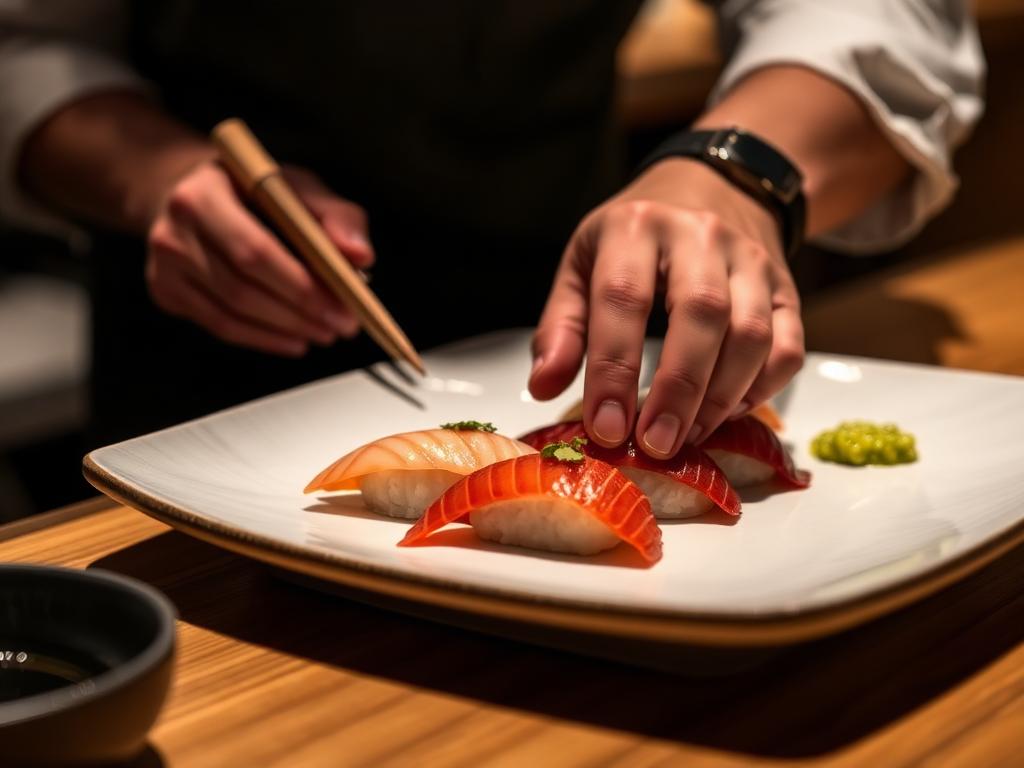
Aburi TORA
¥¥Yorkdale (North York) · Sushi · casual
SushiSushiAburiYorkdaleCasual
Casual aburi-sushi counter inside Yorkdale mall from the Japanese-led Aburi Restaurants group.
View restaurant →From edomae traditions to chef-led omakase counters: precise rice, aged fish, and quiet rooms where the meal moves at the chef's pace.
Casual aburi-sushi counter inside Yorkdale mall from the Japanese-led Aburi Restaurants group.
View restaurant →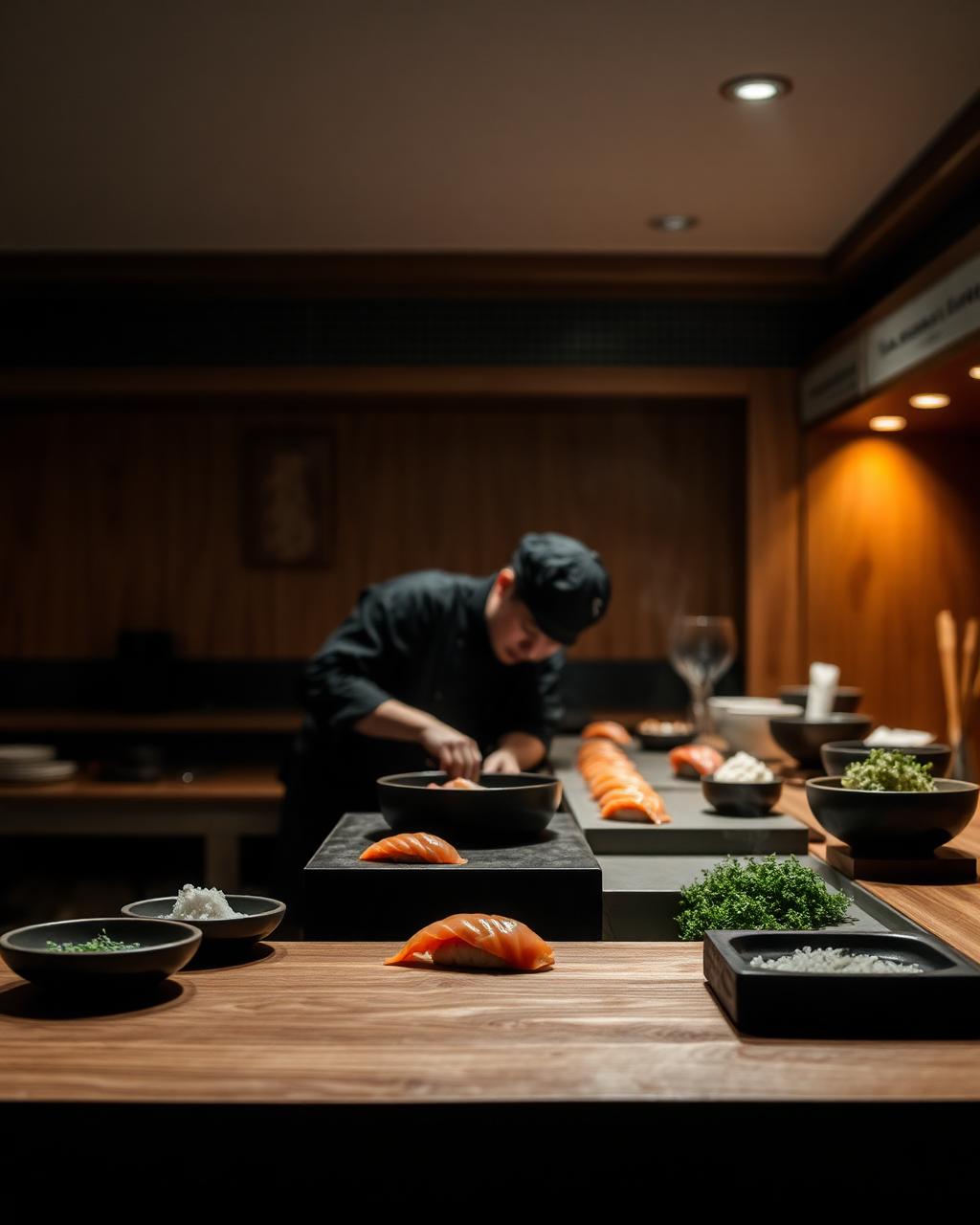
Japanese-owned Etobicoke restaurant open since 1984 — one of Toronto's oldest traditional Japanese kitchens.
View restaurant →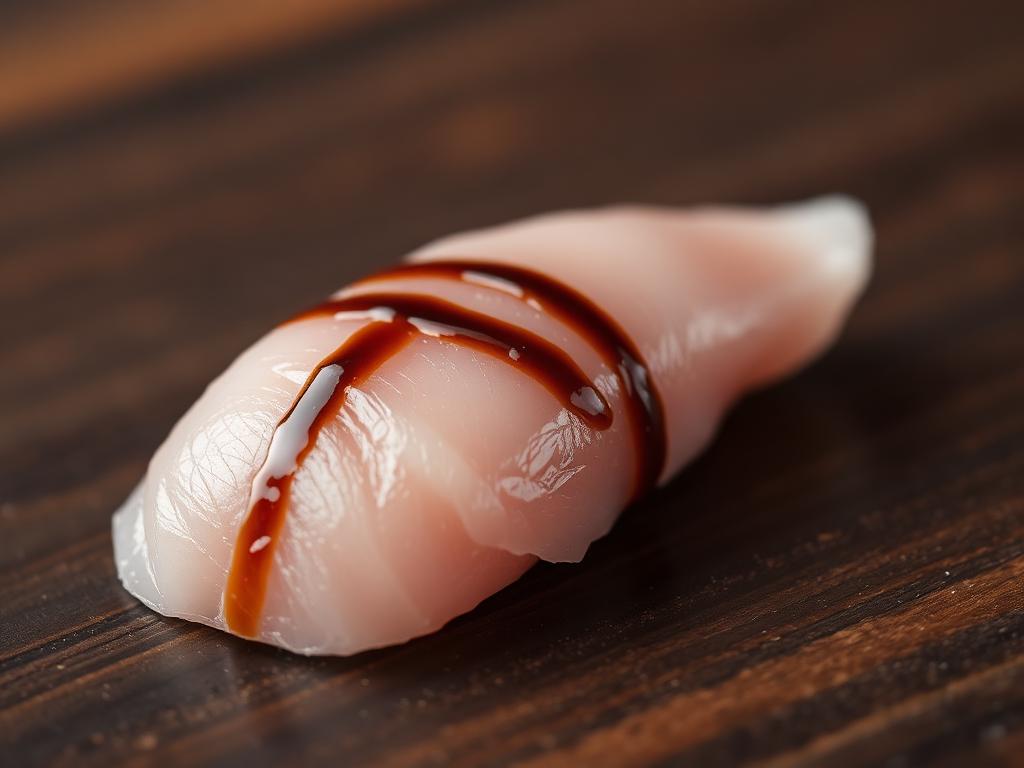
JaBistro is downtown Toronto's benchmark for prestige Japanese sushi, led by Japanese chef Koji Tashiro whose career spans the Tsukiji Fish Market in Tokyo, Vancouver's Miku, and Guu Sakabar. The menu showcases Edomae nigiri, signature aburi (blow-torched) sushi, and oshizushi with house-grated wasabi and hand-made soy sauce.
View restaurant →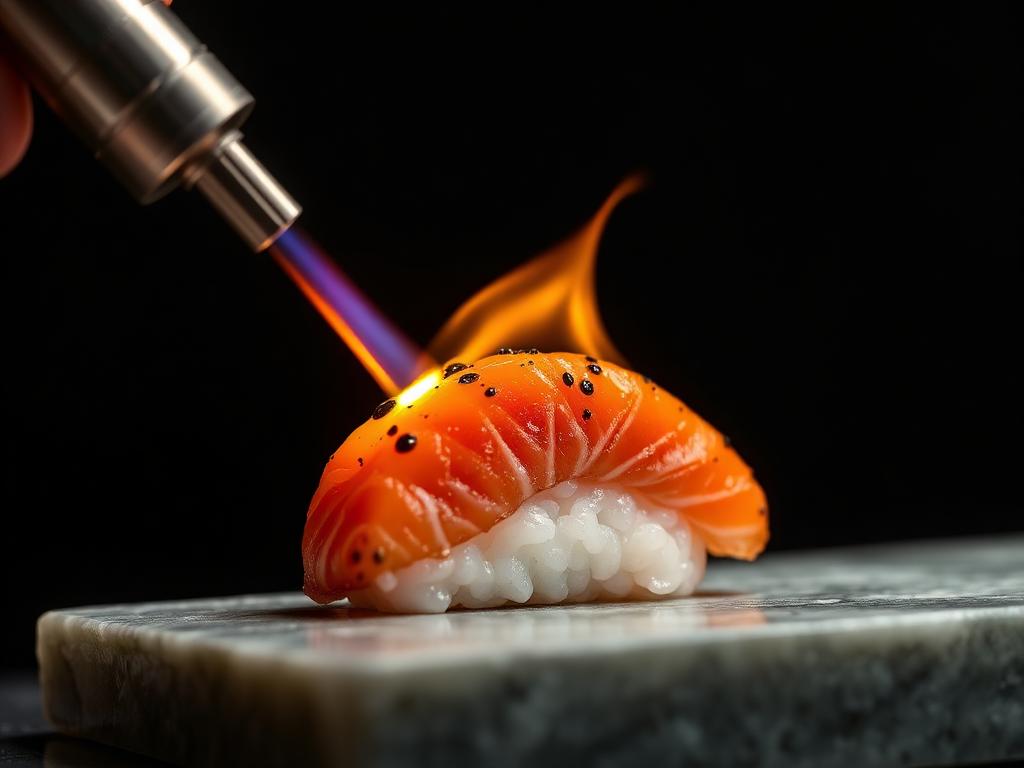
Family-run Japanese-owned sushi restaurant in Oak Ridges — à la carte sushi and cooked classics for a loyal north-of-Toronto crowd.
View restaurant →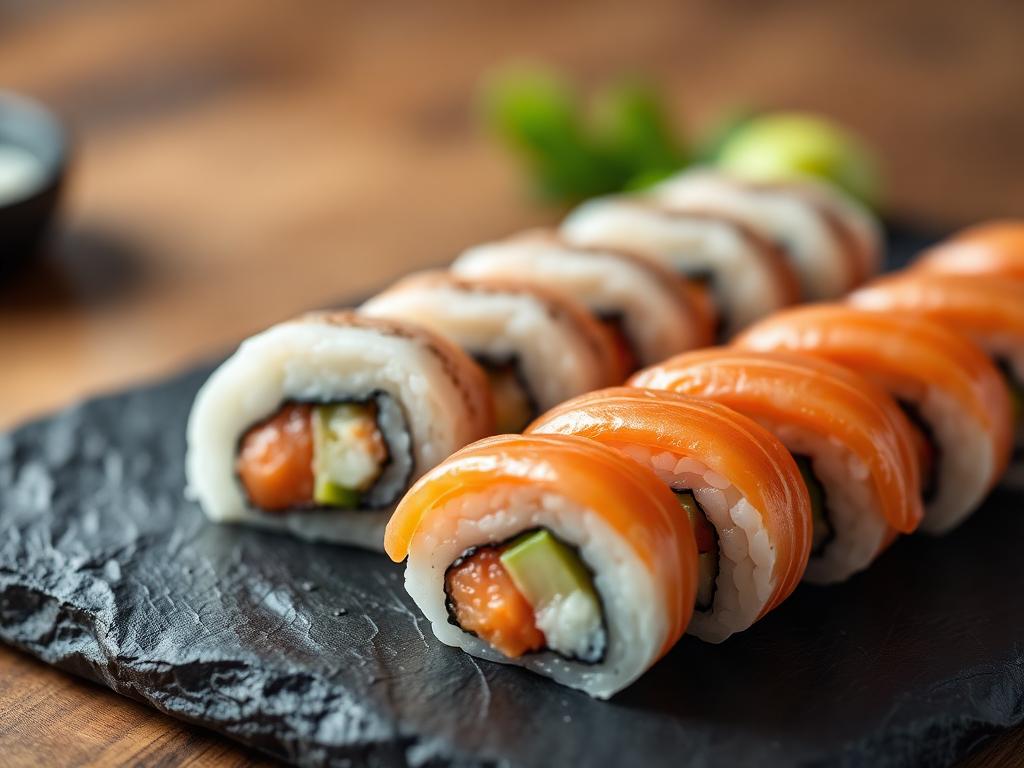
Kiyomi Omakase — formerly Edomae Kiyomi — holds the distinction of offering Canada's first dedicated tempura omakase alongside a traditional Edomae sushi counter. The two-format restaurant on Gerrard Street features Edomae-style technique, A5 Wagyu, Hokkaido uni, and Kuruma Ebi in multi-course seasonal menus overseen by Japanese-trained chefs.
View restaurant →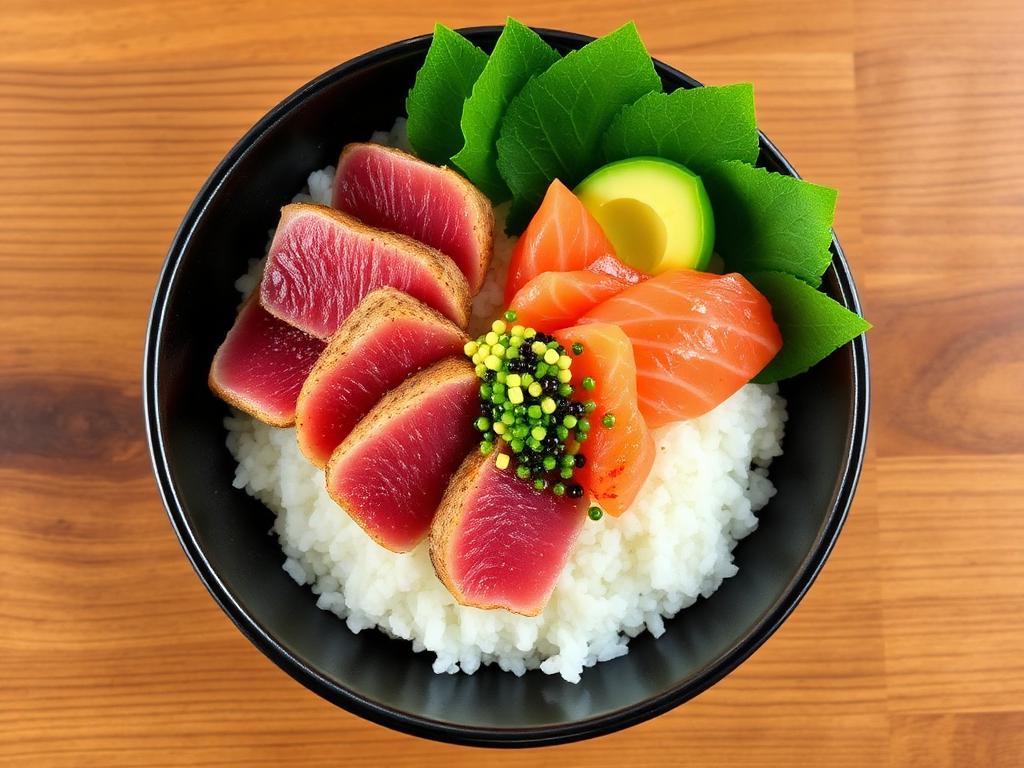
Waterfront sushi room from chef Seigo Nakamura's Japanese-led Aburi group — Toronto home of the original flame-seared aburi oshi sushi.
View restaurant →Minami Toronto is the flagship Toronto expression of ABURI Restaurants Canada, founded by Japanese group Tora Corporation's Seigo Nakamura. Specialising in signature aburi (flame-seared) oshi sushi, Japanese tapas, and A5 Wagyu, Minami won the Americas' Best Designed Restaurant award in 2021 and maintains a Michelin-calibre kitchen under chef Ryusuke Nakagawa.
View restaurant →Nakamori @ JCCC is the cultural centre outpost of chef-owner Nobu Nakamori's Japanese restaurant, housed inside the Japanese Canadian Cultural Centre on Sakura Way. Chef Nobu crafts creative contemporary Japanese dishes drawing on seasonal ingredients, with omakase available by prior arrangement.
View restaurant →Second-floor Yorkville omakase by chef Kyujiro Yamanaka — kappo courses into an edomae sushi finish.
View restaurant →Scarborough counter run by chef Iori Iwami — an omakase-focused Edomae restaurant in Agincourt.
View restaurant →Toronto's only Michelin One Star sushi restaurant, Shoushin offers intimate 12-seat Edomae omakase under chef-owner Jackie Lin's meticulous craft. Wild-caught fish flown from Japan meets a 200-year-old hinoki counter for the city's most authentic traditional sushi experience.
View restaurant →A Toronto institution since 2000 — chef Mitsuhiro Kaji's kaiseki-style omakase counter on The Queensway.
View restaurant →Recently opened omakase counter on Yonge Street — a compact Edomae tasting from a Japanese chef-owner.
View restaurant →Toronto's first Michelin-starred sushi counter — a strict edomae omakase from a chef trained at Tokyo's Sushi Kanesaka.
View restaurant →Downtown omakase on York Street — Japanese chef Kyohei Igarashi leads the kitchen.
View restaurant →The Onda is a 14-seat omakase counter opened in November 2025 by chef Yoon Taiki Choi and his brother-in-law, alumni of Yasu and Michelin-recommended Okeya Kyujiro with 50 years of combined Japanese omakase experience. The 20-course dinner omakase ($250) and 14-course lunch ($135) offer one of Toronto's most intimate new Japanese fine-dining experiences.
View restaurant →Family-run Richmond Hill restaurant serving traditional Japanese cooking in a quiet strip-plaza setting.
View restaurant →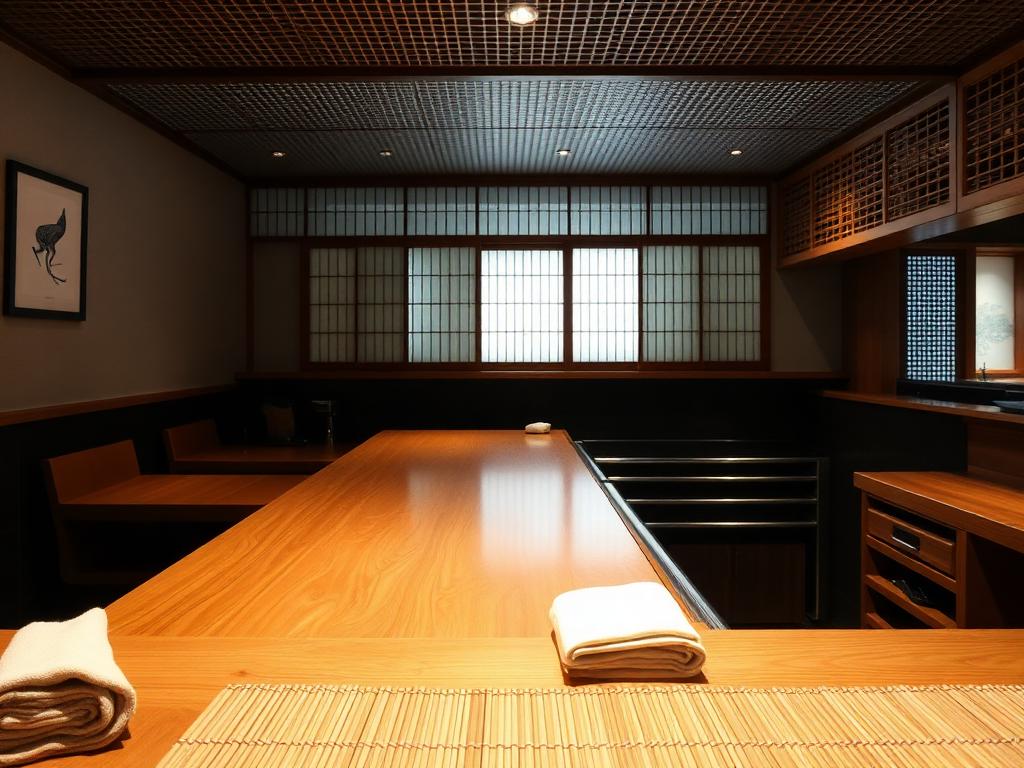
Long-running Harbord Street omakase counter by chef-owner Yasuhisa Ouchi — 18 courses of edomae-style nigiri.
View restaurant →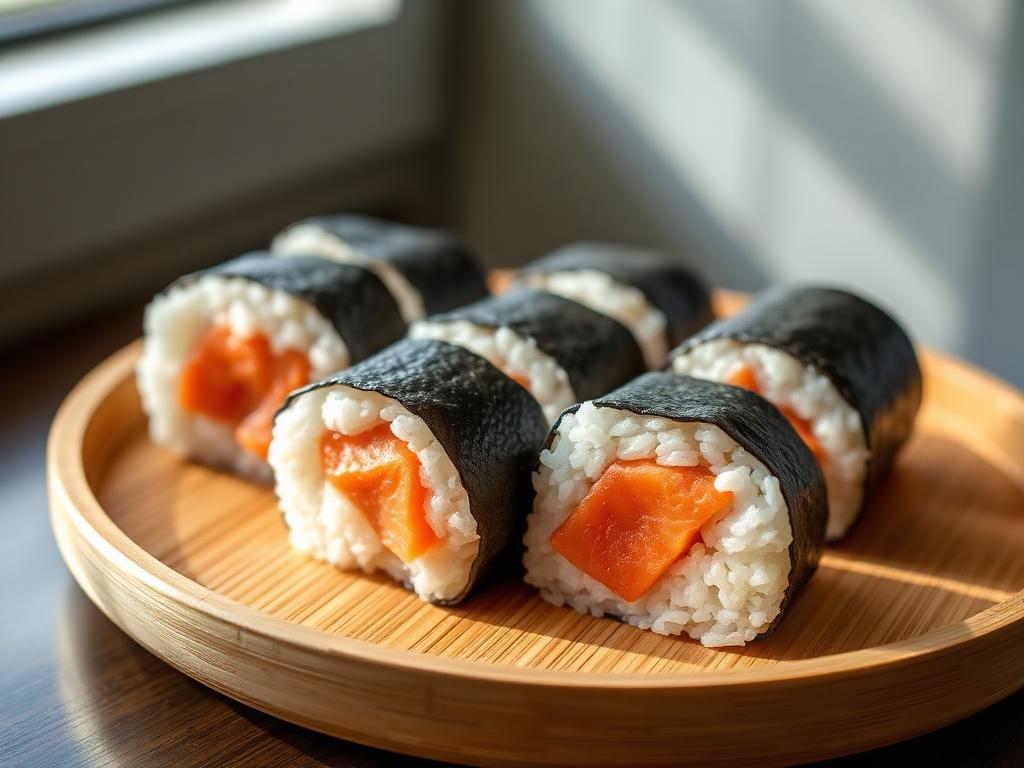
Markham's long-running destination for serious sushi and kaiseki — chef Tatsuya Kawamura, open since 2000.
View restaurant →